







Search Results for: single-origin bean roast level
The Difference Between Single-Origin Coffee and Espresso: A Comprehensive Guide to Coffee Naming Rules, from Origin Labels to Roast Levels
Walking into a specialty coffee shop or opening the website of a professional coffee bean merchant, do you ever feel overwhelmed by the dazzling array of coffee names? Why are coffee bean names so long? How exactly do you tell the difference between single-origin, dark roast, and espresso? What information is actually hidden behind these complex names? This article will walk you through the key elements of coffee bean naming one by one, including origin labeling, roast level, grading systems, and small-lot estate farms. From the solo performance of single-origin coffee to the concerto of coffee blends, from Northern Italian light roast to French dark roast, and on to grading codes like SHB and AA+, you'll never be confused again the next time you shop for coffee—you'll easily read the ID card of every bag of coffee beans. [more…]
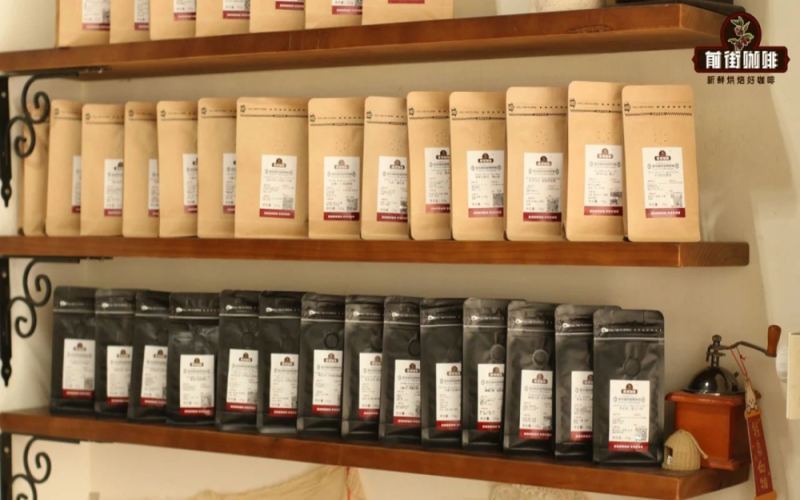
What are the common single-origin beans in specialty coffee shops? From origin to roast level, understand how to choose single-origin coffee beans in one article
Walking into a specialty coffee shop, the menu often lists names like Ethiopia, Mandheling, Colombia, and so on, leaving those new to coffee momentarily baffled. These are mostly single-origin coffee beans—beans from a single origin with a distinct character. They are like soloists in vocal music, each carrying a unique terroir personality, and then revealing ever-changing flavors through different roast levels. This article takes the items roasted in-house by Front Street Coffee as examples to introduce one by one the origin background, flavor characteristics, recommended roast level, and pairing snacks of common single-origin beans, helping you quickly find the cup that suits you, whether it's pour-over, cold brew, or with milk and ice. [more…]
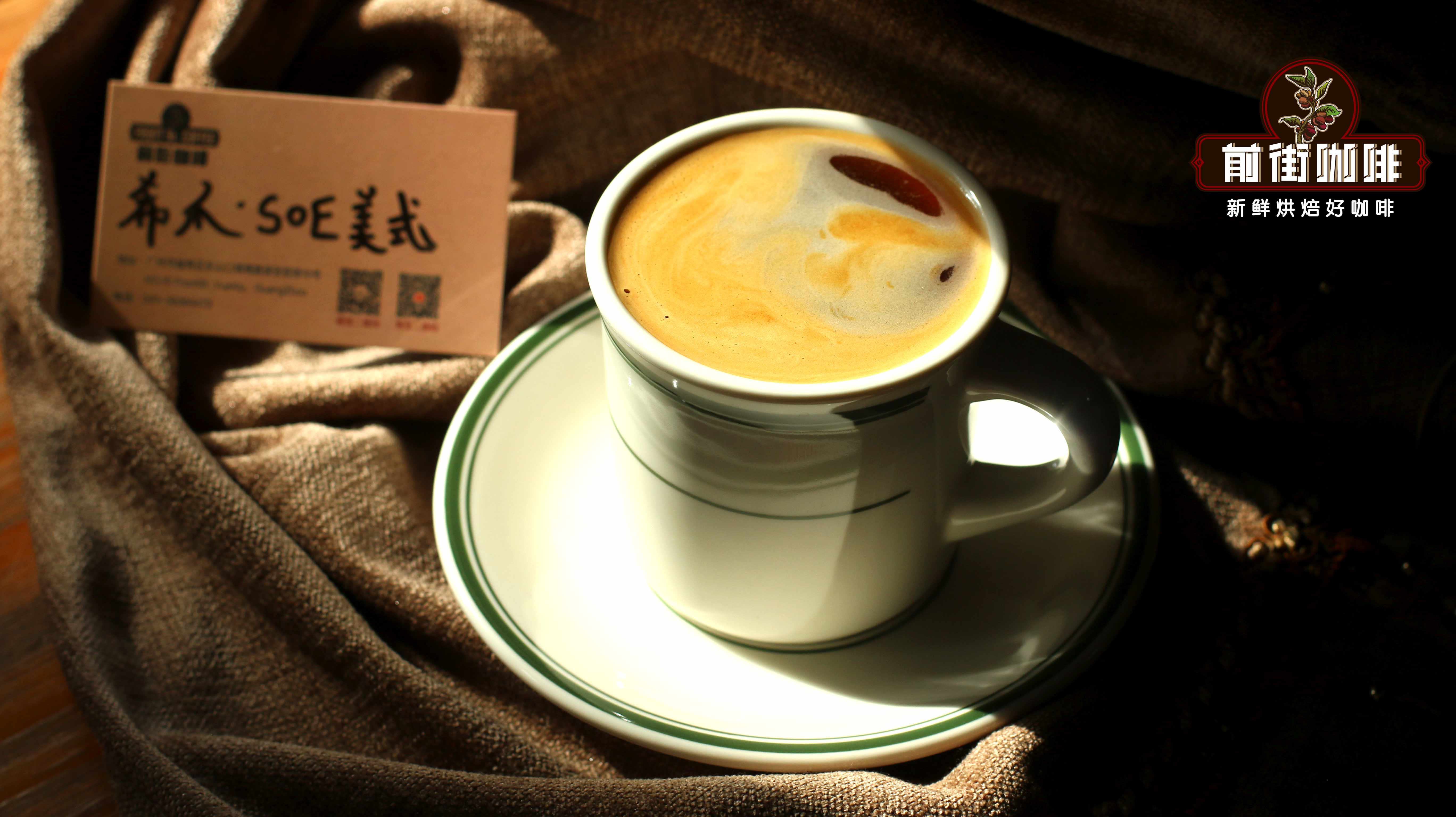
SOE Single-Origin Espresso Explained: Definition, Differences from Single-Origin Beans, and Extraction Parameter Guide
SOE is the abbreviation of "Single Origin Espresso," referring to espresso made from coffee beans of a single origin. It vividly showcases the regional flavors of a specific producing area, yet it differs significantly from pour-over single-origin beans in terms of roast level and extraction method. This article will start from the definition, historical background, advantages, and disadvantages of SOE, sort out the differences between SOE coffee beans and ordinary single-origin beans in roasting and extraction, and take Front Street Ethiopia Red Cherry coffee beans as an example to provide specific SOE and pour-over parameters and flavor comparisons, helping coffee enthusiasts understand this increasingly common form of Italian coffee more systematically. [more…]
Can SOE single-origin beans be used for pour-over? A full analysis of the differences between single-origin and blends and pour-over parameters
When ordering at a café, espresso and pour-over often correspond to two paths: blended beans and single-origin beans. In recent years, many high-quality single-origin beans have been made into SOE versions for espresso extraction. So can these SOE beans be used for pour-over? And what exactly is the difference between them and pour-over single-origin beans? This article will start from the concept and characteristics of SOE, compare the differences between blended beans and single-origin beans, explain the divergence in roasting curves between SOE and pour-over single-origin beans, and provide suggestions on water temperature and grind size when using SOE beans for pour-over, helping coffee enthusiasts find a suitable brewing plan under different roast levels. [more…]
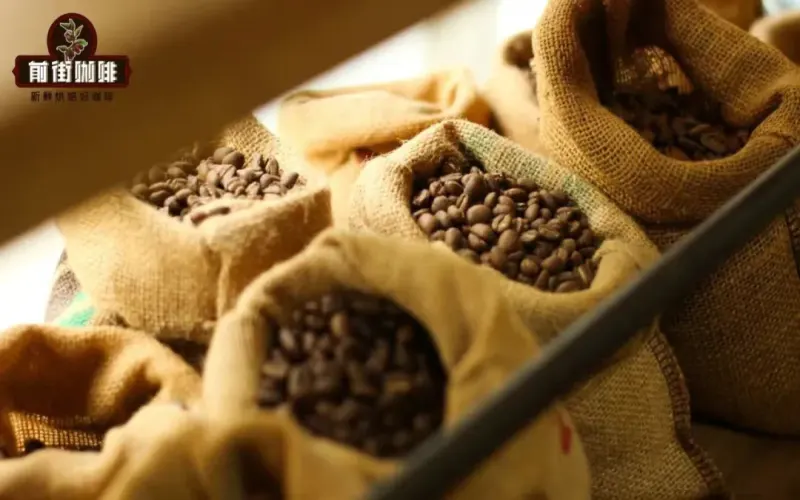
What Are the Differences Between Espresso and Pour-Over Coffee Beans? A Comprehensive Analysis from Roast Level and Extraction Method to Single-Origin and Blends
Friends who are new to coffee often feel overwhelmed by the dazzling array of bean labels and don't know how to choose the coffee beans that suit them. In fact, the differences between espresso beans and pour-over beans are not as complicated as imagined. The core difference lies mainly in the roast level—espresso beans tend to be dark-roasted, while pour-over beans tend to be light-roasted, and this difference stems from the different extraction methods. Once you understand the characteristics of pressure extraction and drip extraction, you'll see why some beans are better suited for espresso and others for pour-over. This article will also clarify common misconceptions about single-origin versus blends, and explain the quality logic behind price differences, helping you make more suitable choices under different extraction methods. [more…]
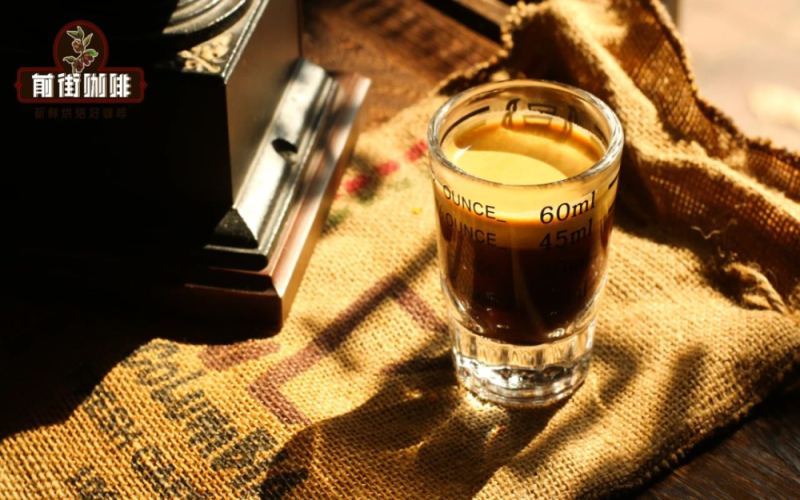
How to Choose Espresso Beans? A Full Breakdown of Blending Techniques, Roast Levels, and SOE Single-Origin Beans
When buying coffee beans, have you ever noticed that "espresso beans" are always listed as a separate category? This is closely tied to its unique brewing method. Espresso requires rapid extraction under 9 bars of pressure, which places special demands on the roast level and blend composition of the coffee beans. Starting from the principles of extraction, this article will explain why espresso beans are mostly medium-dark roasted, why blended beans need a distinction between primary and secondary components, and introduce the flavor characteristics of several Front Street Coffee espresso blends and SOE single-origin beans, helping you find the one that best suits your taste. [more…]
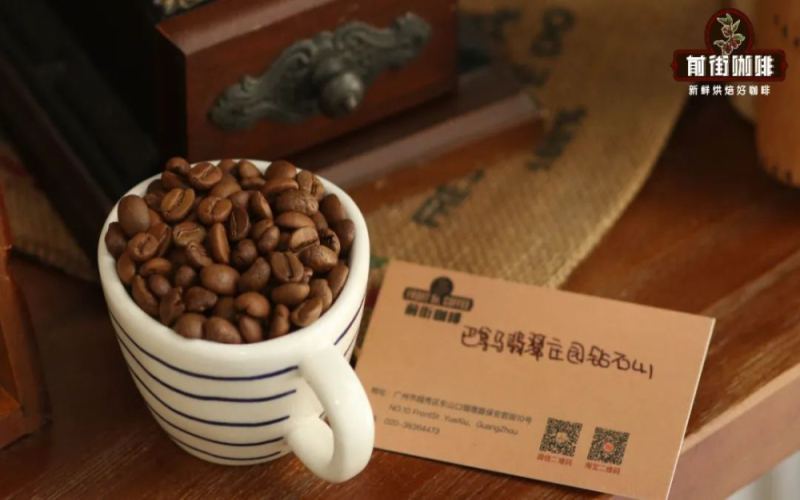
How to Choose Single-Origin Coffee Beans? From Origin Flavors to Roast Level, Understand the Logic of Choosing Self-Roasted Beans in One Article
Faced with the dazzling array of coffee bean offerings in a home roasting shop, beginners often don't know where to start: Which ones are single-origin beans? Which ones are suitable for adding milk or serving iced? Actually, as long as you grasp the two main threads of origin terroir and roast level, you can quickly lock in your favorite. This article sorts through the classic single-origin beans from Ethiopia, Honduras, Peru, Guatemala, Colombia, Indonesia Mandheling, Brazil, Costa Rica, and others one by one by region, covering their flavor characteristics, recommended roast levels, and representative products, and includes a specific recommended bean list from the Front Street brand, helping you start from the four dimensions of acidity, sweetness, body, and finish to find the cup that best suits your taste. [more…]
Can SOE Coffee Beans Be Used for Pour-Over? Single-Origin Espresso Flavor Analysis and Espresso Bean Selection Advice
SOE coffee, which is espresso extracted from single-origin coffee beans, has attracted increasing attention from coffee enthusiasts in recent years. Many people are curious: can all single-origin beans be used for espresso? And can beans used for SOE also be used for pour-over? In fact, although all single-origin beans can be tried for espresso extraction, not every one of them is suitable; and beans specifically selected for SOE often can also handle pour-over well. The key behind this lies in the match between roast level and extraction method. Starting from the practice of Front Street Coffee, this article analyzes the different requirements of SOE and pour-over for single-origin beans, and recommends several medium-roast coffee beans suitable for making SOE while also performing well in pour-over, for enthusiasts' reference. [more…]
Can Espresso Beans Be Brewed as Pour-Over? A Full Analysis of the Differences Between Single-Origin and Blend Beans
Front Street often receives questions like these: Can dark-roasted espresso beans be used for pour-over? What exactly is the difference between single-origin beans and blended beans? In fact, the extraction method determines a coffee bean's positioning and roasting direction. Single-origin beans emphasize a clear expression of regional flavors and are mostly light-roasted; espresso beans are mainly blends, roasted on the darker side, pursuing stability and richness. The two also differ noticeably in grinding, parameters, and sales specifications. This article, from Front Street's perspective, will sort out the core differences between single-origin beans and espresso beans, and answer the adjustment ideas to note when using espresso beans for pour-over. [more…]
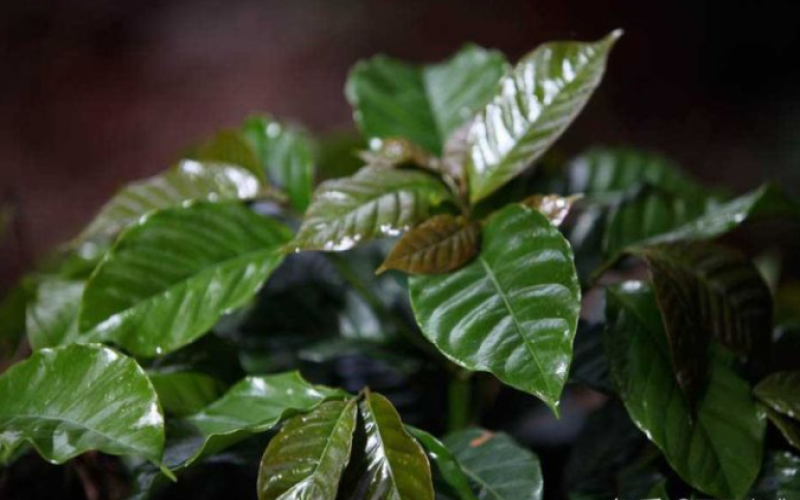
Roast Level Determines How to Choose Single-Origin, Pour-Over, and Blends
From light roast to dark roast, coffee beans change not only in color, but also in aroma, sweetness, acidity and mouthfeel weight. Single-origin emphasizes the personality of a certain origin or batch, while a blend combines the characteristics of different beans; pour-over is an extraction method, and is not the same as a fixed type of bean. Keep these concepts separate, and then, from [more…]
What is the full name of SOE coffee? An analysis of the extraction time and flavor characteristics of single-origin espresso
For those new to espresso, the term SOE sounds both unfamiliar and somewhat upscale. What exactly does it mean? In fact, SOE is the abbreviation for "Single Origin Espresso," referring to espresso made from coffee beans of a single origin. This type of coffee can showcase distinct regional flavors, but it also comes with practical issues such as higher prices and unstable batches. Starting from the definition, historical background, and pros and cons of SOE, this article will further compare the differences between SOE beans and regular single-origin beans in terms of roast level and extraction method. Using Ethiopian Red Cherry coffee beans as an example, it will demonstrate the specific parameters and flavor profiles of both SOE and pour-over, helping coffee enthusiasts gain a more comprehensive understanding of this coffee type. [more…]
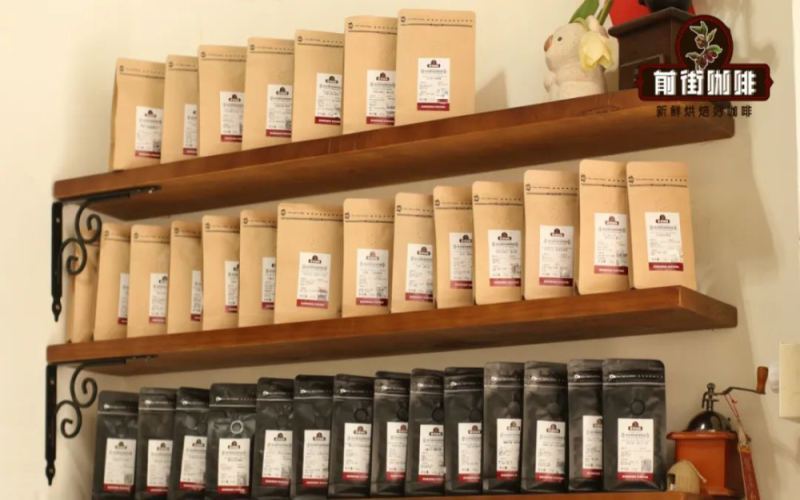
How to Choose Between Single-Origin, SOE, and Espresso Blend Coffee Beans? A Full Breakdown of Uses, Roasting, and Flavor Differences
Many coffee enthusiasts encounter a common confusion when selecting beans: what exactly is the difference between single-origin, SOE, and espresso blends? What scenarios does each suit? In fact, single-origin coffee beans emphasize traceable regional flavors, SOE is espresso made from single-origin beans, and blends are more like a creative combination that can both complement strengths and weaknesses and create entirely new flavors. From the perspective of Front Street, this article breaks down in detail the differences among the three in terms of definition, roasting logic, and practical uses, helping you more clearly understand the positioning of each type of bean and avoid falling into the misconception that "SOE is necessarily more premium than blends." [more…]
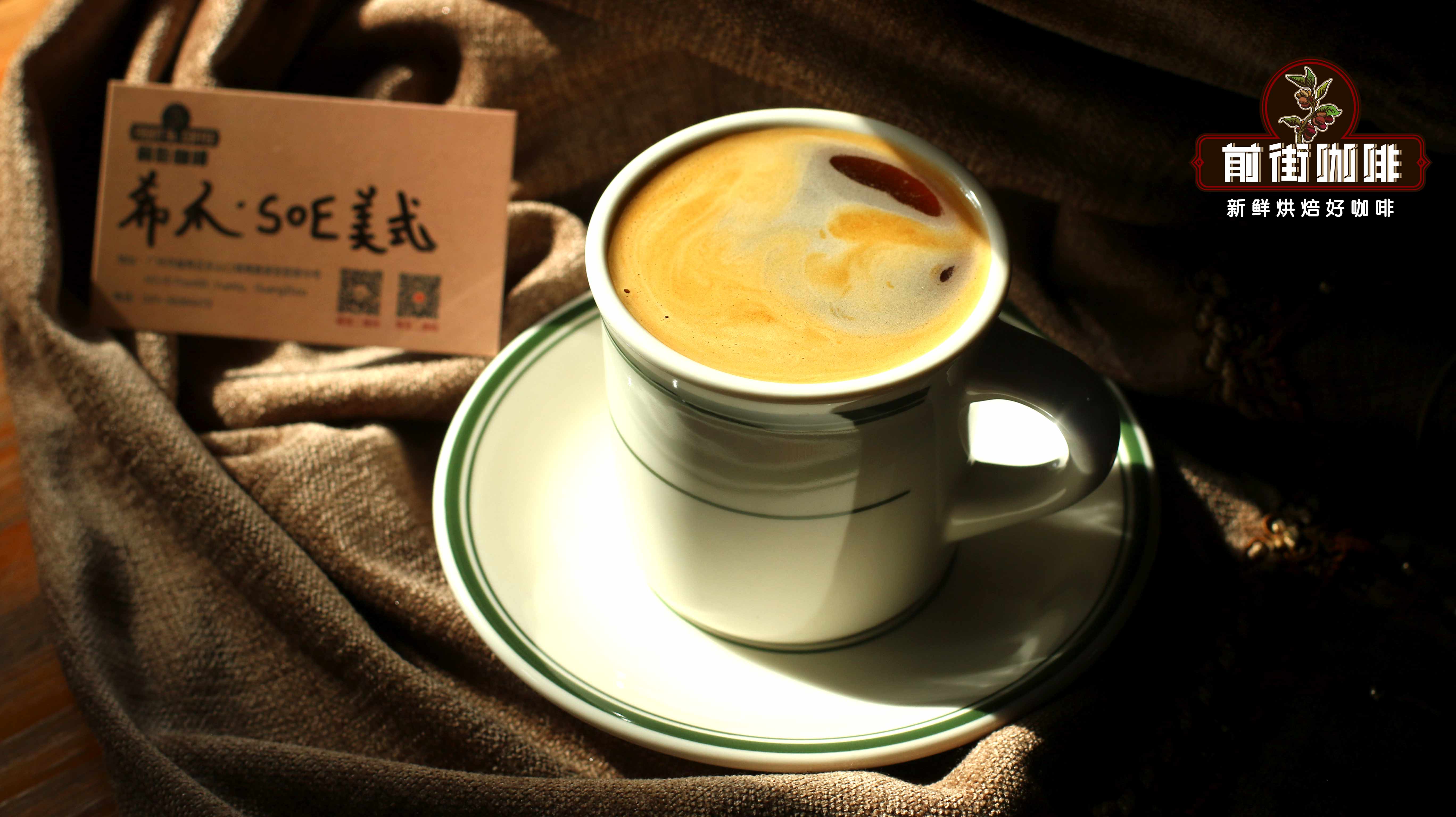
SOE Single-Origin Espresso | Are SOE Beans Just Single-Origin Beans? How to Adjust the Coffee-to-Water Ratio, Time, and Grind Size When Extracting Espresso from SOE Coffee Beans?
Many friends who have drunk coffee may not necessarily understand or even have heard of SOE coffee, but seasoned coffee connoisseurs certainly know about SOE coffee. Doesn't it seem that when SOE coffee is mentioned, friends who are new to coffee or even new to espresso coffee don't quite understand it, yet SOE sounds like it's pretty high-end? [more…]
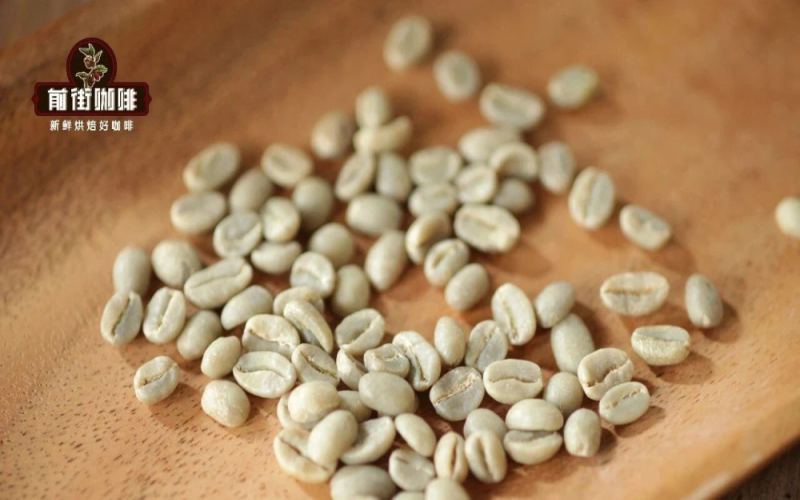
SOE Coffee: Light Roast or Dark Roast? The Roasting Logic Behind Espresso Made from Single-Origin Beans and Four Front Street Recommendations
The same single-origin bean can taste completely different as a pour-over versus an SOE. The roast level plays a key role here—a light roast preserves the floral and fruity acidity, but under pressurized extraction it can turn sharp and prickly on the tongue; a dark roast brings a rich, mellow caramel note, but it easily masks the character of the origin. So what roast level should SOE actually use? This article starts from roast chemistry, analyzing how the Maillard reaction and caramelization shape coffee flavor, sorting out the flavor directions corresponding to light, medium, and dark roast levels, and then answers the roasting-selection challenge for making SOE from single-origin beans, and offers four Front Street Coffee beans suitable for SOE, covering four styles: tropical fruit, hazelnut and sugarcane, fermented fruit, and chocolate creamy peanut. [more…]
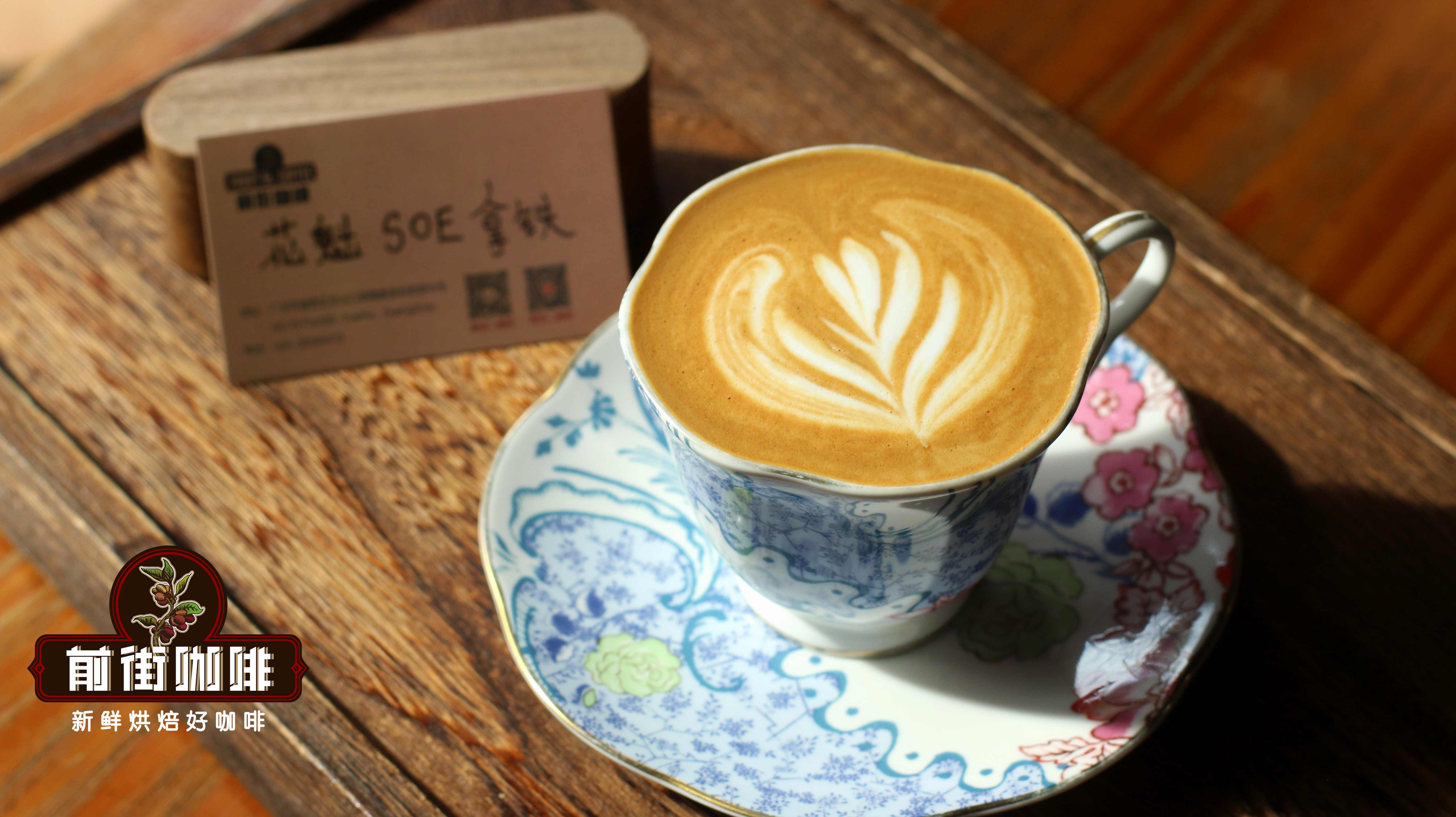
What exactly is SOE coffee? How is it different from single-origin coffee beans? A complete guide to single-origin espresso
You often see the term SOE on café menus—what exactly does it stand for? And how does it differ from the common espresso blends and pour-over single-origin coffees? This article will give you a systematic understanding of the definition of SOE coffee, its flavor characteristics, historical origins, and which coffee beans are suitable for making SOE. It will also share Front Street Coffee's bean selection recommendations and extraction tips to help you make a cup of distinctive single-origin espresso at home. [more…]
Is SOE Espresso the Same as Single-Origin Beans? A Detailed Explanation of the Meaning of Huakui SOE and Recommendations of Four Front Street Single-Origin Espresso Beans
In the world of espresso, blended beans and SOE single-origin beans each have their own distinctive characteristics. SOE emphasizes a single origin and places higher demands on bean quality and roast level in order to extract a highly recognizable espresso flavor. This article starts from the differences between blends and SOE, explains why medium or medium-dark roasted single-origin beans are more suitable for making SOE, and recommends four Front Street SOE espresso beans commonly used by baristas, covering different flavor profiles such as berry and floral, passion fruit and grape, creamy nut, and wild spice, helping coffee lovers make a choice based on personal preference. [more…]
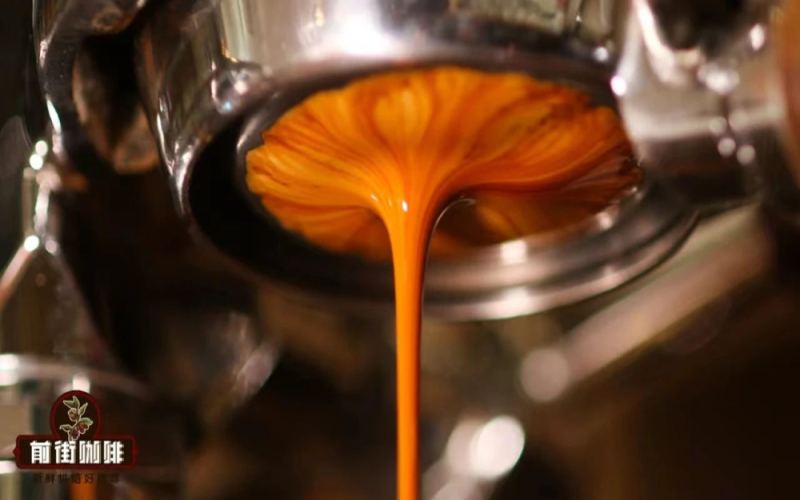
SOE Coffee Full Guide: Definition, Flavor Characteristics, and Practical Brewing Tips for Single-Origin Espresso
SOE is the abbreviation for Single Origin Espresso, which in Chinese means single-origin espresso. Its core lies in using single-origin coffee beans to make espresso, thereby highlighting the unique flavor of a specific region. In recent years, with the spread of information from the specialty coffee wave and barista competitions, this style has gradually become popular. However, SOE places higher demands on bean quality and roast level, and during extraction, parameters and the milk-to-coffee ratio also need to be adjusted. This article will outline the concept of SOE, recommend three Front Street Coffee SOE beans, and share precautions during preparation, helping coffee enthusiasts gain a more comprehensive understanding of this style. [more…]
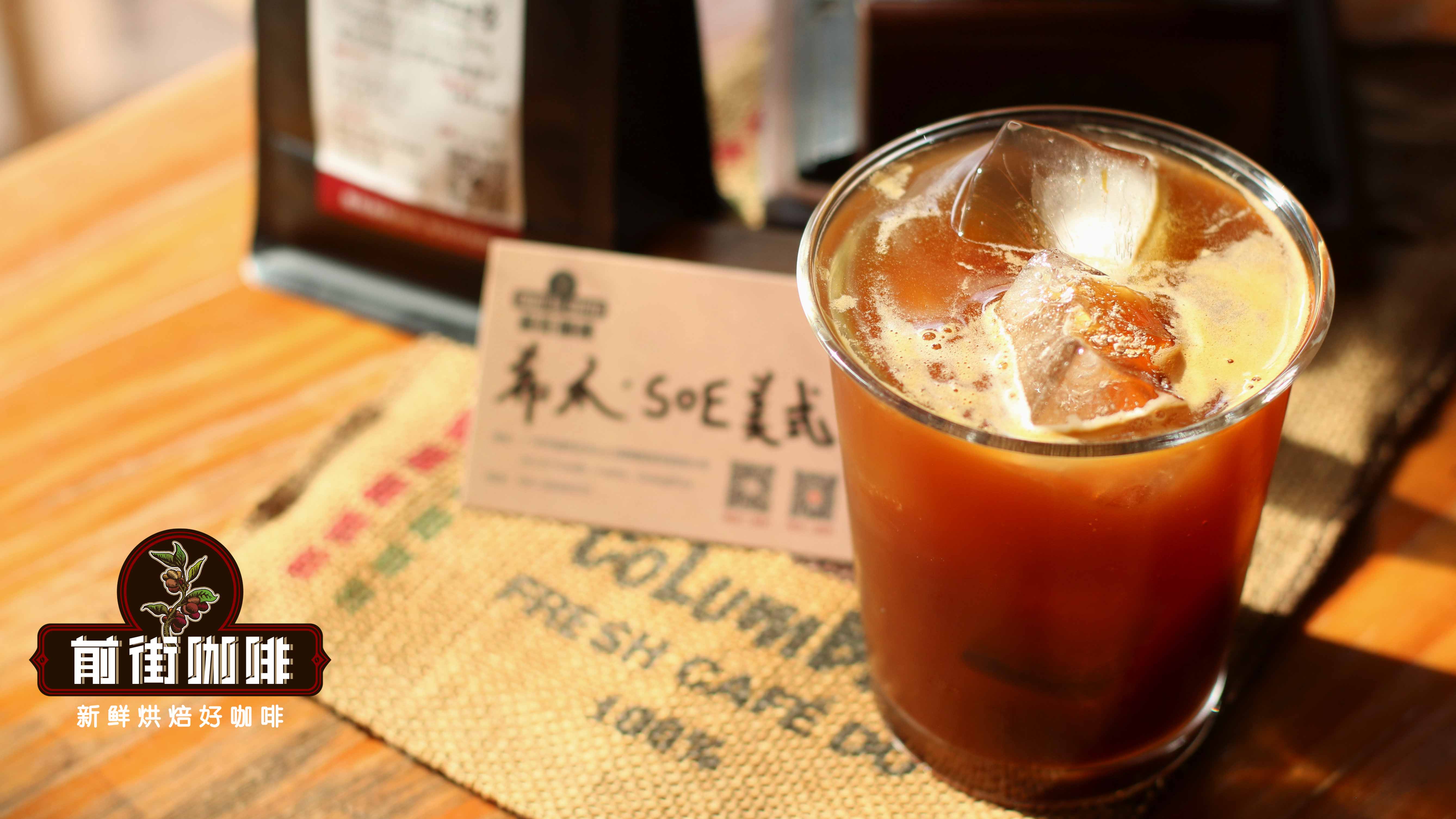
What Exactly Does Espresso SOE Coffee Mean? Differences from Single-Origin Beans, Analysis of Flavor and Production Challenges
Many coffee enthusiasts are curious about whether SOE and single-origin beans are actually the same thing, and how it differs from regular espresso. SOE was originally just an abbreviation for "Single Origin Espresso," yet under commercial packaging it has been given a more premium image. This article, from the perspective of Front Street Coffee, sorts out the origins of the SOE concept, its market positioning, and the real reasons why the shop has been slow to launch SOE. The article also covers practical details such as roast level matching, grinder limitations, and extraction parameter adjustments, and explores the thresholds a good cup of SOE must meet in terms of bean selection, roasting, and quality control. Whether you want to understand the concept or are curious about why SOE easily becomes a gimmick, you can find answers here. [more…]
SOE Coffee Bean Selection and Roasting Guide: An Analysis of Single-Origin Coffee Differences and Key Production Points
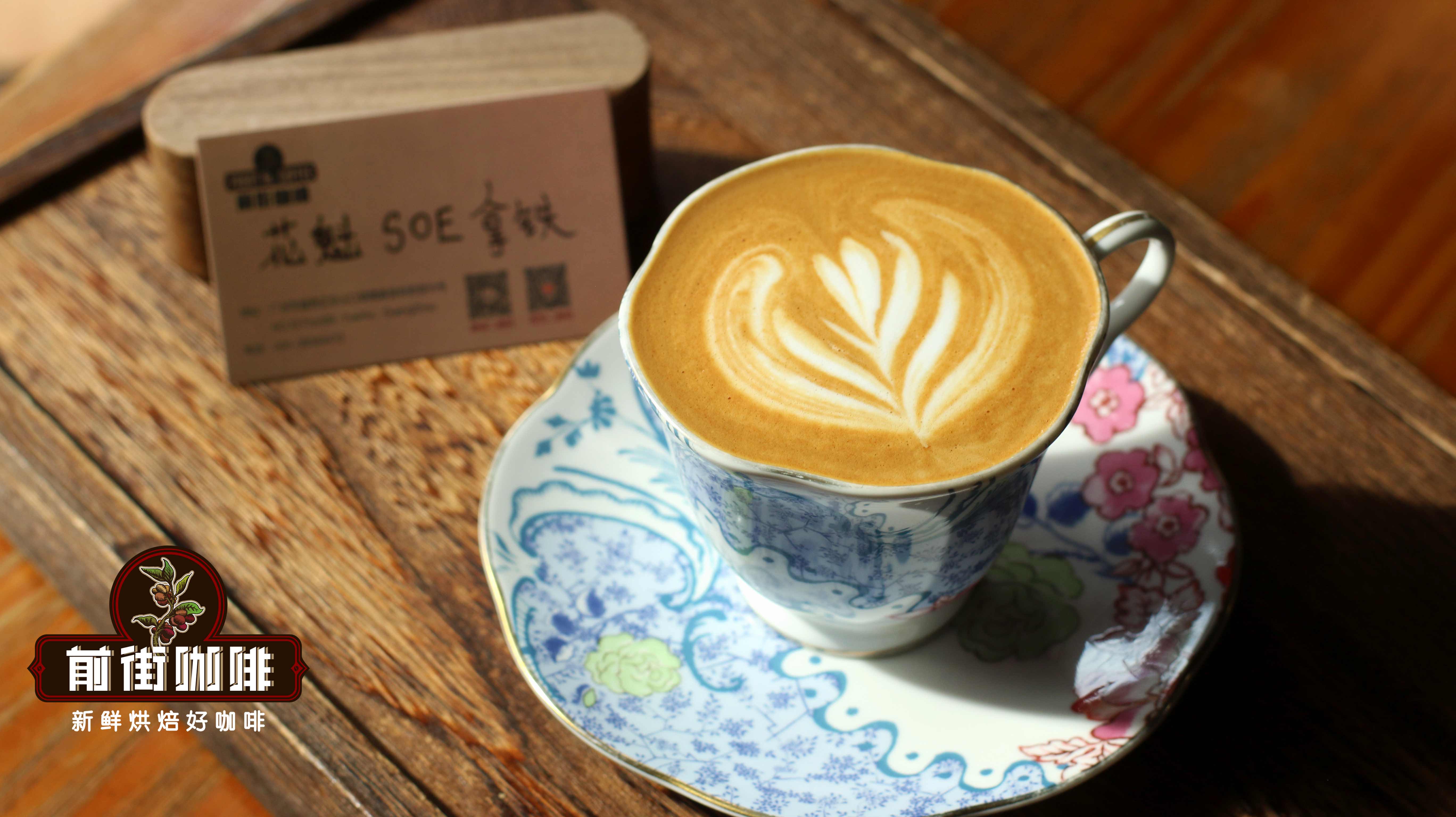
SOE (Single Origin Espresso) has attracted much attention in the specialty coffee circle in recent years. It uses coffee beans from a single origin, and after high-pressure extraction through an espresso machine, its flavor characteristics are significantly amplified, so it is clearly different in expression from pour-over single-origin coffee. Starting from the definition of SOE, this article will analyze its differences from single-origin coffee, the logic behind choosing the roast level, and explain which coffee beans are more suitable for making SOE. At the same time, the article will also share Front Street Coffee's approach to selecting such coffee, including specific recommendations such as Natural Huakui, Mozart, and Sidra, as well as practical points such as extraction parameter adjustments and milk ratio control, to help coffee lovers understand this category more comprehensively. [more…]
Can SOE single-origin beans be used for espresso? An article analyzing the flavor characteristics and extraction key points of SOE coffee.
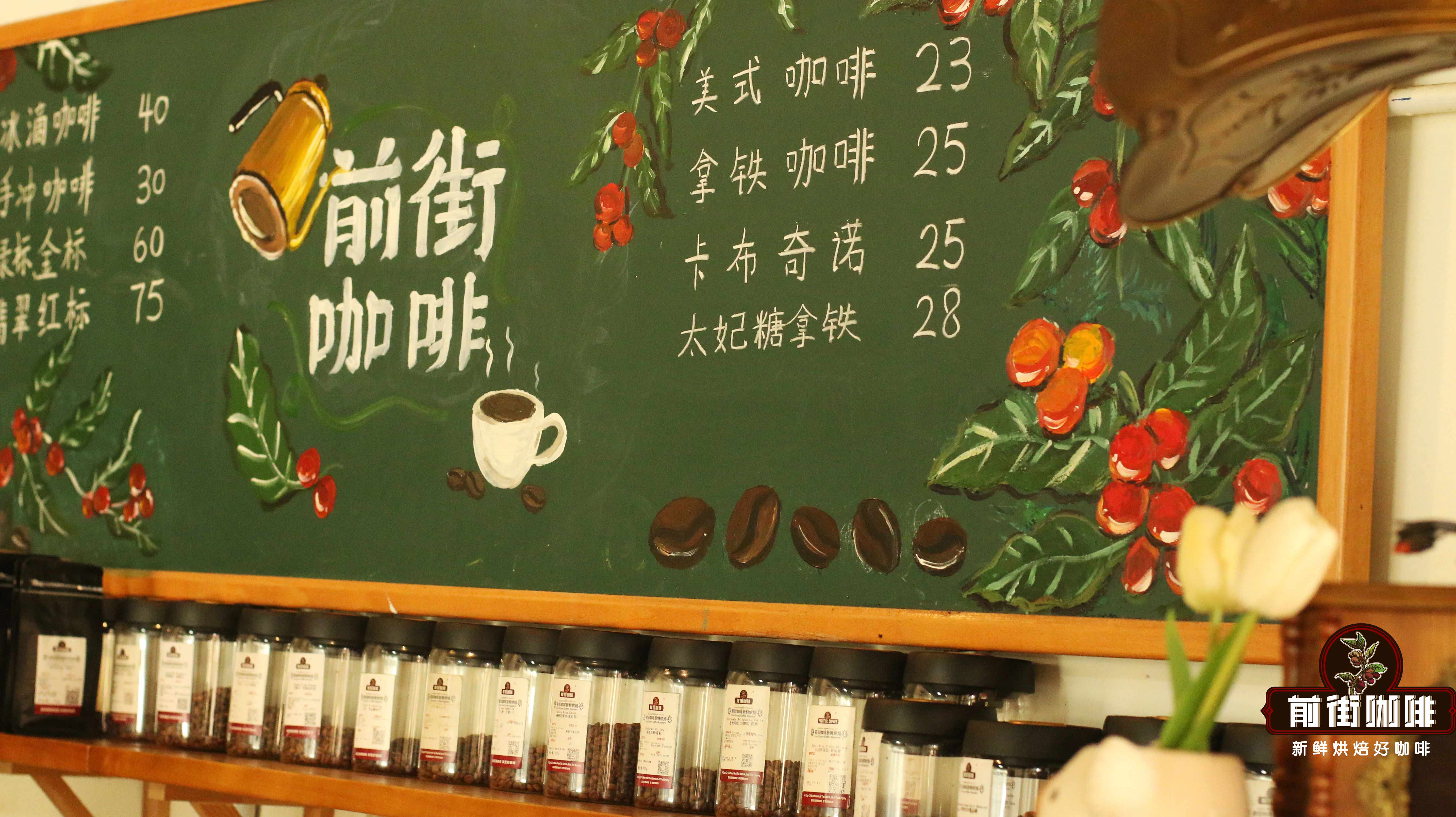
In the world of espresso, SOE (Single Origin Espresso) is attracting more and more attention from coffee lovers. It refers to espresso made from single-origin coffee beans, with the core aim of showcasing the unique flavor personality of a particular origin, rather than pursuing the balanced consistency of blended beans. This article will start with the definition, flavor characteristics, and historical origins of SOE, explain how it differs from traditional blends, and recommend the types of coffee beans suitable for making SOE. At the same time, Front Street Coffee will also share the complete extraction parameters for Huakui SOE and the method for making a latte, helping you make a cup of single-origin espresso with clear flavor at home. [more…]